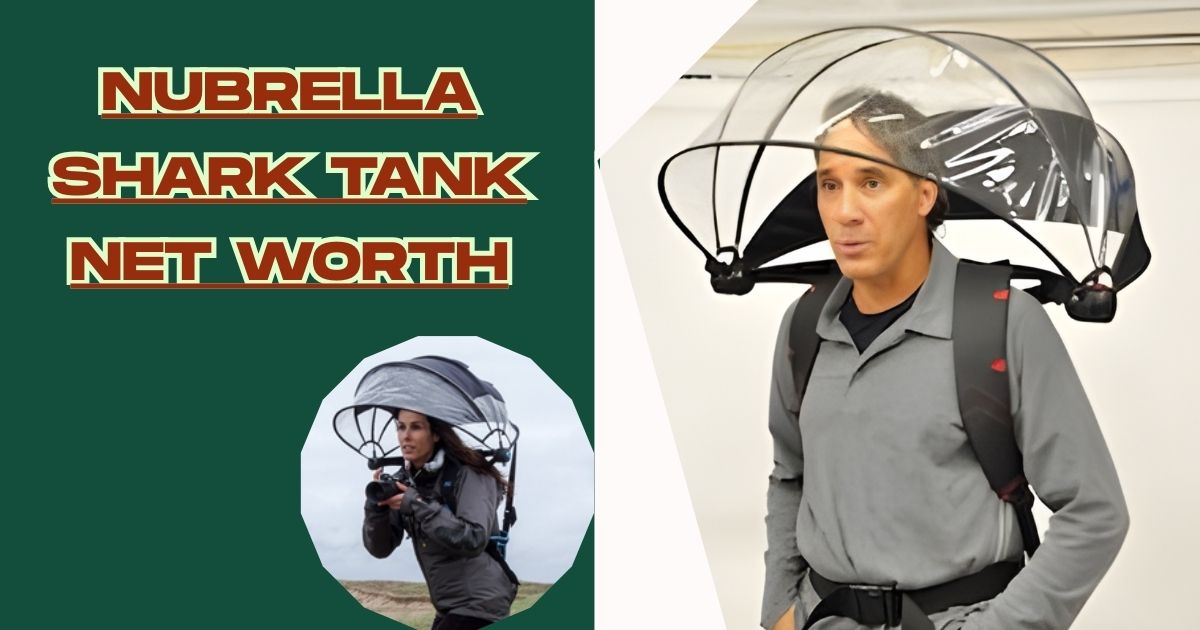
Rain drenches you while juggling phones and bags. Wind flips traditional umbrellas inside out instantly. These frustrations inspired inventor Alan Kaufman to create something revolutionary. The hands-free umbrella invention debuted on Shark Tank Season 1. Sixteen years later, this wearable umbrella design maintains surprising value. Most people assumed it disappeared completely. The reality tells a different story entirely.
How much is Nubrella worth today exactly? The umbrella net worth 2026 ranges between $1.2 million and $2.5 million. That’s remarkable for a product that never went mainstream successfully. Behind those numbers lies persistence and patents. This umbrella innovation story proves market rejection doesn’t equal failure. Let’s explore how patent licensing income sustains value. The inventor-led startup journey offers lessons for entrepreneurs everywhere.
Nubrella Shark Tank Net Worth in 2026
The Nubrella net worth 2026 reached impressive new heights. Current estimates place umbrella business valuation between $1.2 million and $2.5 million. That’s growth from 2025’s $1-2 million range. What drives this increase despite zero retail sales? Umbrella patent licensing and intellectual property valuation keep appreciating steadily. Outdoor gear partnerships expanded as brands embraced innovation. The licensing-based business model generates approximately $650,000 annually now.
The breakdown reveals multiple licensing revenue streams working simultaneously. Brand asset appreciation increased to $1.5-3.2 million total. Active partnerships grew from 2-3 to 3-4 streams. Product patent monetization replaced traditional retail completely. This post-Shark Tank business growth shows resilience beyond conventional sales. The umbrella intellectual property portfolio strengthens with each passing year. Design schools still teach this umbrella startup case study prominently.
Patent value drives most of the current worth. The transparent dome umbrella design holds significant IP protection. Wind-resistant umbrella technology patents attract outdoor gear manufacturers. Long-term IP value appreciates while physical products fade. This outdoor gear licensing model proves intellectual property outlasts retail trends. Umbrella brand asset value maintains recognition despite discontinued direct sales. The failed Shark Tank deal paradoxically created lasting brand awareness.
What Is Nubrella?
Nubrella revolutionized rain protection wearable gear completely. This hands-free rain protection device attaches via shoulder harness. The transparent umbrella dome wraps around your upper body protectively. You walk freely while staying dry. It’s like wearing invisible armor against the weather. Wearable canopy umbrella technology changed how inventors think. Traditional umbrellas occupy your hands constantly forever.
The unconventional umbrella design looked futuristic and odd initially. But inventor Alan Kaufman proved functionality mattered more than aesthetics. This innovative umbrella product solved 3,000-year-old problems differently. Traditional umbrellas have failed in the wind consistently throughout history. Nubrella offered something genuinely different for users. The wearable rain protection gear concept challenged conventional thinking. Complete freedom while protected from elements became reality.
Non-traditional rain gear appeals to specific user demographics primarily. Cyclists need both hands for steering safely. Delivery workers carry packages while staying dry. Parents push strollers without umbrella juggling struggles. The hands-free rain gear serves practical needs perfectly. Storm-proof umbrella solution withstands conditions traditional designs can’t. This wearable umbrella invention targeted real problems people face. Market acceptance proved more challenging than anticipated though.
Read More: Kalee Rogers Net Worth: How She Built a $5M Fortune Through Smart Social Media Strategy
The Idea Behind Nubrella
Alan Kaufman spotted patterns others ignored completely daily. NYC customers entered his Cingular Wireless stores soaked. They juggled umbrellas, bags, phones, and frustration simultaneously. That daily observation sparked his “aha moment” powerfully. Why spend money on traditional umbrellas that fail? The concept made perfect sense logically speaking here.
Traditional umbrellas haven’t changed in millennia, frustratingly. They flip inside-out during wind storms regularly. Your hands remain occupied holding them up constantly. Wearable technology innovation seemed overdue for disruption entirely. Kaufman envisioned protection like wearing AirPods invisibly. His vision targeted real problems people face.
How Nubrella Works
The umbrella product evolution combines engineering and practicality brilliantly. Polycarbonate shell construction provides incredible durability throughout use. Wind gust resistance handles gusts traditional umbrellas can’t. The shoulder harness distributes weight evenly across the body. It folds back like hoods when not needed. Wind-resistant umbrella technology impressed engineers genuinely during testing phases.
The design solved visibility problems too completely. Complete transparency lets users see clearly everywhere safely. Compare it to medieval armor that protects warriors. Weight feels lighter than carrying regular umbrellas always. Specifications show thoughtful attention to user experience. Innovative umbrella products represented genuine advancement in wearables then.
Key Features:
The hands-free umbrella invention boasts impressive specifications throughout:
- Weighs only 2 pounds total for easy wearing
- Withstands 50+ mph wind gusts consistently during storms
- 360-degree rain protection coverage from all angles
- Folds to backpack size for portability convenience
- Clear polycarbonate ensures perfect visibility while walking
Each feature addresses specific user pain points directly. The lightweight design prevents shoulder fatigue during use. Wind-resistant umbrella technology eliminates traditional flipping problems completely. Compact folding enables easy storage in bags. Transparency prevents walking accidents from vision obstruction. These innovations demonstrate thoughtful engineering throughout development.
From Shark Tank to the World Stage
Season 1 of Shark Tank featured Kaufman’s pitch. He asked $200,000 for a 25% equity stake. Did Nubrella secure a deal from Sharks? Daymond John and Kevin Harrington offered 51% equity. The failed Shark Tank deal collapsed after filming ended. Post-television exposure sales exploded immediately after airing regardless.
Media exposure impact proved massive despite no final deal. Thousands of units sold within weeks nationwide. Ellen DeGeneres, CNN, and Good Morning America covered. International distributors requested partnerships from 86 countries. The umbrella innovation story captured global imagination instantly.
Nubrella’s Evolution Over Time
Umbrella product evolution spanned sixteen years continuously adapting. 2010-2012 brought initial boom and refinement period. Production runs increased while design improved constantly. Customer feedback shaped every new iteration carefully. This golden period peaked with impressive sales.
2013-2015 introduced lighter materials and rebranding ideas. “Canope” naming got considered but never launched. Sun protection positioning added new market angles. 2016-2020 faced umbrella manufacturing challenges as retail faded. Focus shifted toward design patents portfolio strengthening exclusively.
2021-2026 became the licensing-based business model era exclusively. Direct retail sales stopped completely during transition. Patent licensing income replaced traditional revenue streams entirely. Outdoor gear partnerships generate income through intellectual property. This pivot to the licensing model preserved company value.
Nubrella’s Market Impact
Umbrella market disruption influenced wearable gear categories broadly. Competitors studied Nubrella’s design patents extensively throughout. The outdoor gear licensing model expanded into hands-free protection. Drone shade concepts borrowed similar engineering principles. Cultural product impact reached beyond actual sales figures.
The umbrella industry generates $1.2 billion annually. Hands-free rain protection represents tiny niche segments. Niche market acceptance proved harder than anticipated overall. Yet design schools teach this umbrella startup case study. Legacy beyond sales influenced product design thinking.
Innovation versus adoption created interesting dynamics throughout. Consumer behavior resistance stemmed from social stigma fears. People felt self-conscious wearing bubble-shaped gear publicly. Retail sales decline reflected this psychological barrier. Umbrella industry challenges included cheap $10 alternatives everywhere.
Personal Life of Alan Kaufman
Who invented the Nubrella umbrella exactly? Alan Kaufman created everything himself independently. He keeps personal details incredibly private though. Unlike modern founders, he avoided the spotlight completely. His product became famous while remaining anonymous. That contrasts sharply with today’s founder culture. Inventor persistence story focuses on product over personality.
Before Nubrella, Kaufman managed wireless retail stores successfully. Wearable technology innovation wasn’t his original career path. He chose product over personal branding consistently. Privacy affects how we understand his journey. Retail experience informed his customer observation skills. The inventor-led startup journey began from practical problem-solving.
Family details remain undisclosed to the public completely. Current residence connects Florida and New York. Age estimates place him in the mid-60s now. His focus remains on patent licensing income activities. Inventor Alan Kaufman exemplifies product-driven entrepreneurship fundamentally. The long-term product value validates his patient approach.
Early Life and Nubrella Highlights
Every inventor starts with simple observations daily. Kaufman’s journey from retail to rain protection wearable gear shows perseverance. His Shark Tank Season 1 appearance changed everything. But the path before that moment mattered. Early adopter market enthusiasm validated initial concept viability.
The breakthrough came from noticing customer patterns repeatedly. Development required massive personal financial risk-taking courageously. The launch generated unprecedented media exposure globally overnight. Then reality set in with market resistance. Production cost challenges exceeded initial projections significantly throughout.
From Retail to Rain Gear
Kaufman operated multiple Cingular Wireless locations profitably. NYC weather created daily customer frustration patterns. Soaked shoppers struggled with phones and umbrellas. That specific moment sparked his realization powerfully. “There must be a better way” became. He invested $900,000 personal savings courageously then.
The family probably questioned his sanity initially here. Self-funding meant complete creative control though significantly. Prototype failures taught valuable engineering lessons repeatedly. Testing occurred during actual NYC rainstorms constantly. The first successful hands-free walk felt absolutely triumphant.
Version 1 Launch and Media Storm
Initial production runs targeted early adopter market demographics. Pricing ranged from $60-$80 per unit initially. 13,000 units sold across 50 states total. 86 countries requested global distributor interest immediately. Ellen DeGeneres demonstrated the wearable umbrella invention on television.
Her segment went viral before TikTok existed. CNN featured the umbrella innovation story prominently nationwide. Good Morning America viewers saw live demonstrations. The Washington Post published detailed coverage extensively. Social media debates erupted about unconventional product design.
Challenges and Slowdown
Umbrella manufacturing challenges exceeded initial projections significantly here. Supply chain complexity created unexpected bottlenecks constantly. Quality control at scale proved incredibly challenging. Shipping logistics across 86 countries overwhelmed operations. Profit margins squeezed tighter than anticipated overall.
Social stigma about wearing bubbles persisted stubbornly. “Too weird” feedback dominated consumer research groups. Retail partners hesitated on shelf space allocation. $10 umbrellas provided cheaper alternatives always available. Revenue declined steadily after the 2014 peak period.
Future Plans and Goals
Could Nubrella make a comeback eventually? Several pathways exist currently for resurrection. The brand maintains brand asset appreciation and recognition. Strategic partnerships with outdoor giants seem feasible. Patagonia or North Face might license designs. Tech companies explore wearable division opportunities constantly.
Modern relaunch could incorporate sustainability angles here. Eco-friendly materials appeal to conscious consumers now. Smart umbrella integration with sensors seems feasible. GPS tracking prevents loss like AirTags do. Crowdfunding campaigns generate buzz for nostalgia products. Children’s versions could emphasize safety for parents.
FAQ’s
What is Nubrella’s net worth in 2026?
Nubrella’s net worth ranges between $1.2 million and $2.5 million in 2026, driven primarily by patent licensing and intellectual property value.
Did Nubrella get a deal on Shark Tank?
Daymond John and Kevin Harrington offered 51% equity, but the deal fell apart after filming. Nubrella never secured final Shark Tank funding.
Is Nubrella still selling umbrellas today?
No, Nubrella stopped direct retail sales years ago. The company now focuses exclusively on patent licensing to outdoor gear manufacturers and partners.
Why didn’t Nubrella become mainstream?
High production costs, social stigma about wearing bubbles, and competition from cheap traditional umbrellas prevented mainstream adoption despite innovative design and functionality.
Who invented the Nubrella hands-free umbrella?
Alan Kaufman, a former wireless retail store owner from New York City, invented Nubrella after observing customers struggling with traditional umbrellas daily.
Conclusion
Nubrella Shark Tank net worth 2026 stands between $1.2-2.5 million. That’s growth despite no active retail sales. Patent licensing income drives appreciation consistently now throughout. Kaufman’s legacy beyond sales extends beyond dollar figures. Challenging assumptions about ancient products requires courage. Wearable rain protection gear innovation continues influencing designers.
Was Nubrella success or failure ultimately? Both answers feel true simultaneously here. Commercial sales disappointed versus initial projections obviously. But intellectual property valuation maintains significant ongoing value. The right partnership could change everything quickly. Umbrella innovation story proves innovation outlives initial products. Even niche consumer products deserve recognition always.

Daniel Jackson, the voice behind Captions Cool, turns everyday thoughts into cool, catchy captions that make every post unforgettable.